Help Us Save Mothers and Children from Preventable Deaths!

Maternal & Child Health

Every day, women and children in Sub-Saharan Africa face life-threatening health challenges that are preventable and treatable. Maternal mortality rates remain unacceptably high due to complications such as hemorrhage, sepsis, obstructed labor, and high blood pressure disorders. Many newborns die within the first month of life from infections, low birth weight, or lack of immediate medical care. Childhood illnesses such as pneumonia, diarrhea, malaria, and malnutrition continue to claim young lives at alarming rates.

These tragedies occur not because solutions are unknown, but because access to timely, quality healthcare is painfully limited.

Statement of Need: Impact on Families and Communities

The consequences are devastating:

  • For Mothers: Preventable deaths during pregnancy and childbirth leave children motherless, families destabilized, and communities grieving.
  • For Children: Survivors face poor nutrition, limited access to immunization, and exposure to preventable infections. Many never reach their fifth birthday.
  • For Communities: The death or disability of mothers and children reduces productivity, increases poverty, and deepens cycles of inequality.

Healthy mothers are the backbone of healthy families, and thriving children are the future of every community. Addressing maternal and child health is not optional, it is a moral and social imperative.

The Urgent Need for Action

Without urgent intervention, the cycle of maternal deaths, child mortality, and preventable diseases will persist. Every delay means more families losing mothers in childbirth, more infants dying from infections, and more children unable to grow, learn, and contribute to their communities. The window to act is now—every mother and child deserves the chance to survive and thrive.

Limited Resources and Gaps in Care

  • Medical Infrastructure: Many rural areas lack functional health centers or maternity wards. Deliveries often occur at home without trained birth attendants.
  • Skilled Personnel: A shortage of doctors, midwives, and nurses leaves women with no choice but to give birth without professional support.
  • Supplies and Equipment: Essential medicines, clean delivery kits, and neonatal equipment are scarce or unavailable.
  • Emergency Care: Referral systems and transport to higher-level hospitals are nearly nonexistent, costing lives in emergencies.

Challenges for Health Workers and Communities

  • Health Workers: Overstretched staff work in unsafe conditions with little equipment, facing burnout and risk of exposure to infections.
  • Mothers and Families: Long distances to clinics, financial constraints, and cultural barriers prevent timely access to care.
  • Stakeholders: Governments and NGOs struggle with inconsistent funding, leaving gaps in critical maternal and child health services.

MercyTree Foundation’s Maternal & Child Health Response

MercyTree Foundation is committed to breaking this cycle through innovative, community-based interventions:

  • Safe Motherhood Clinics: Providing antenatal, delivery, and postnatal care with skilled professionals, clean supplies, and emergency referral systems.
  • Baby Care Support: Promoting breastfeeding, newborn care education, and access to essential infant supplies.
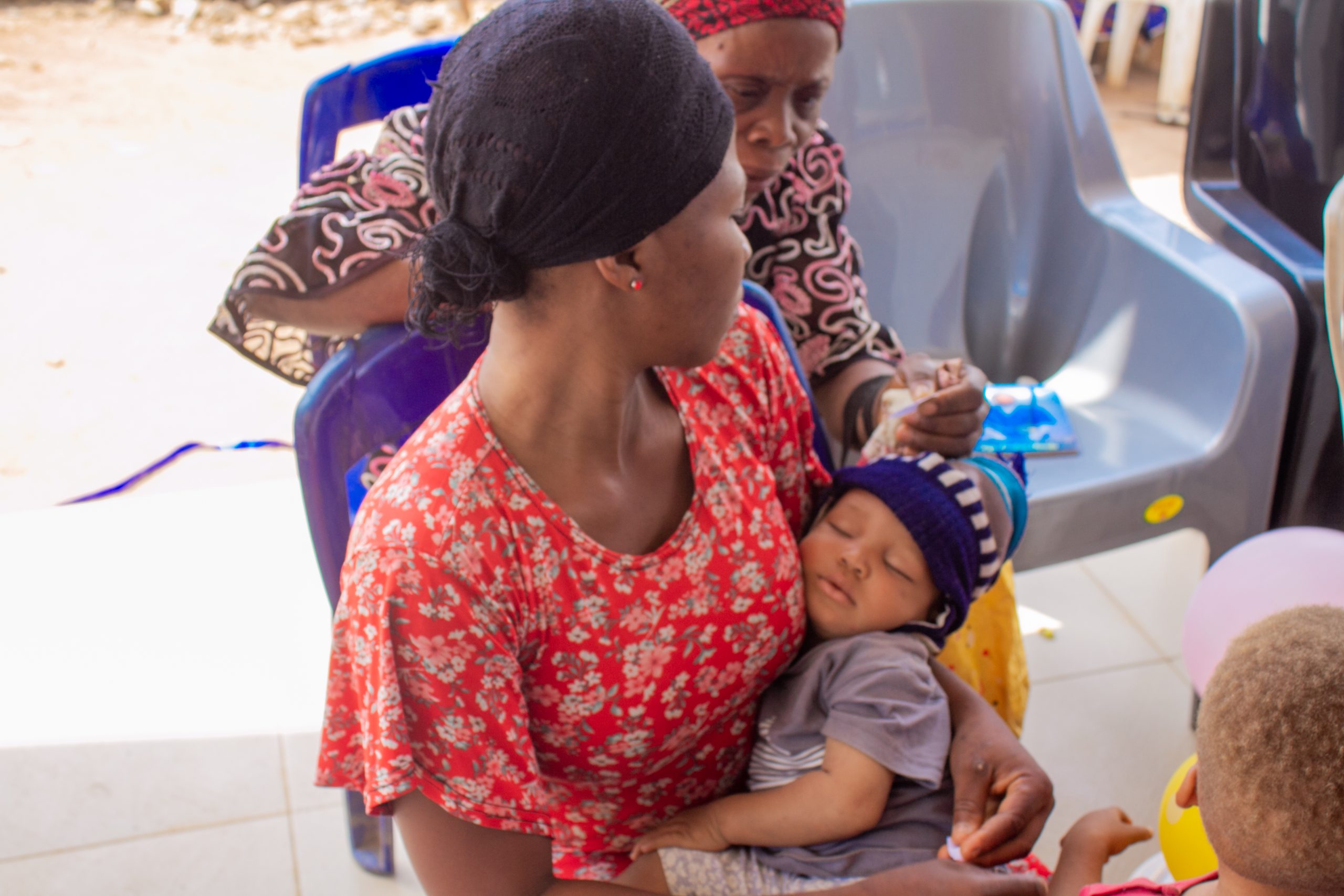
  • Immunize to Protect Campaigns: Organizing child immunization drives to protect against deadly diseases like measles, polio, and pneumonia.
  • Nutrition for Life Programs: Offering maternal and child nutrition education, vitamin supplements, and deworming campaigns.
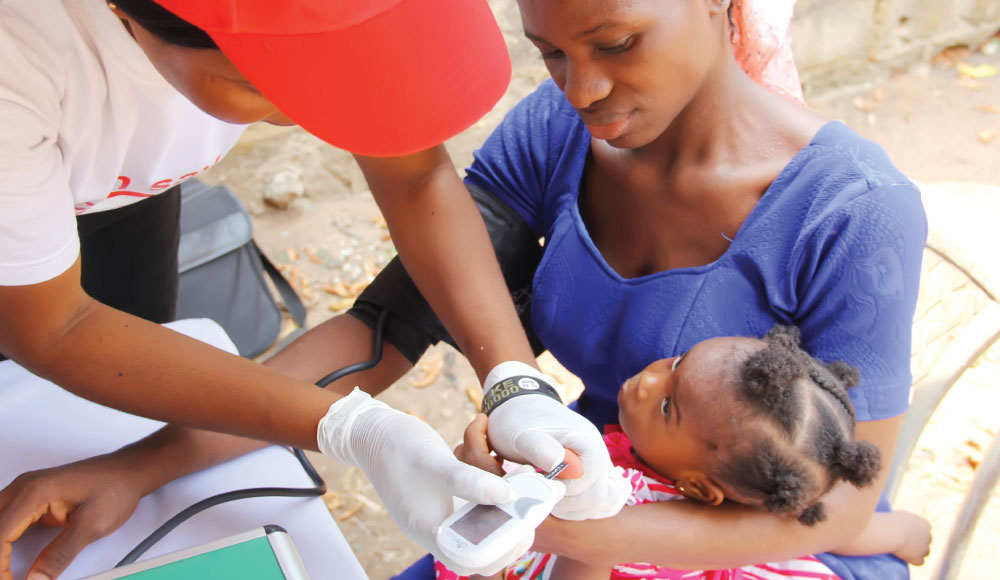
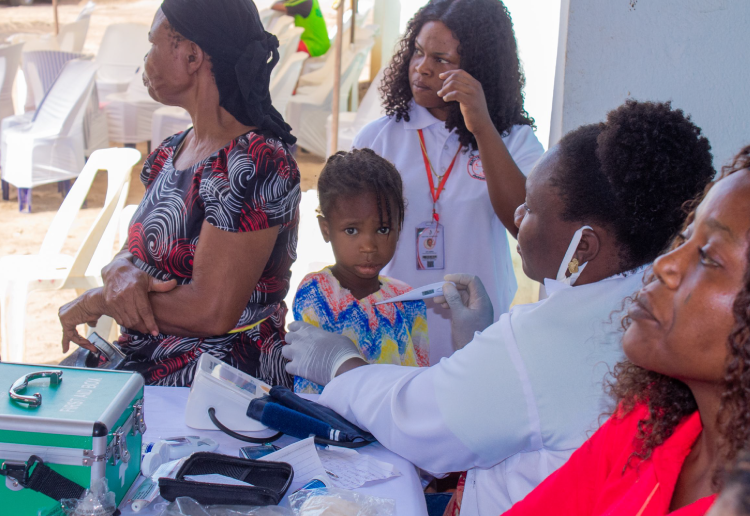
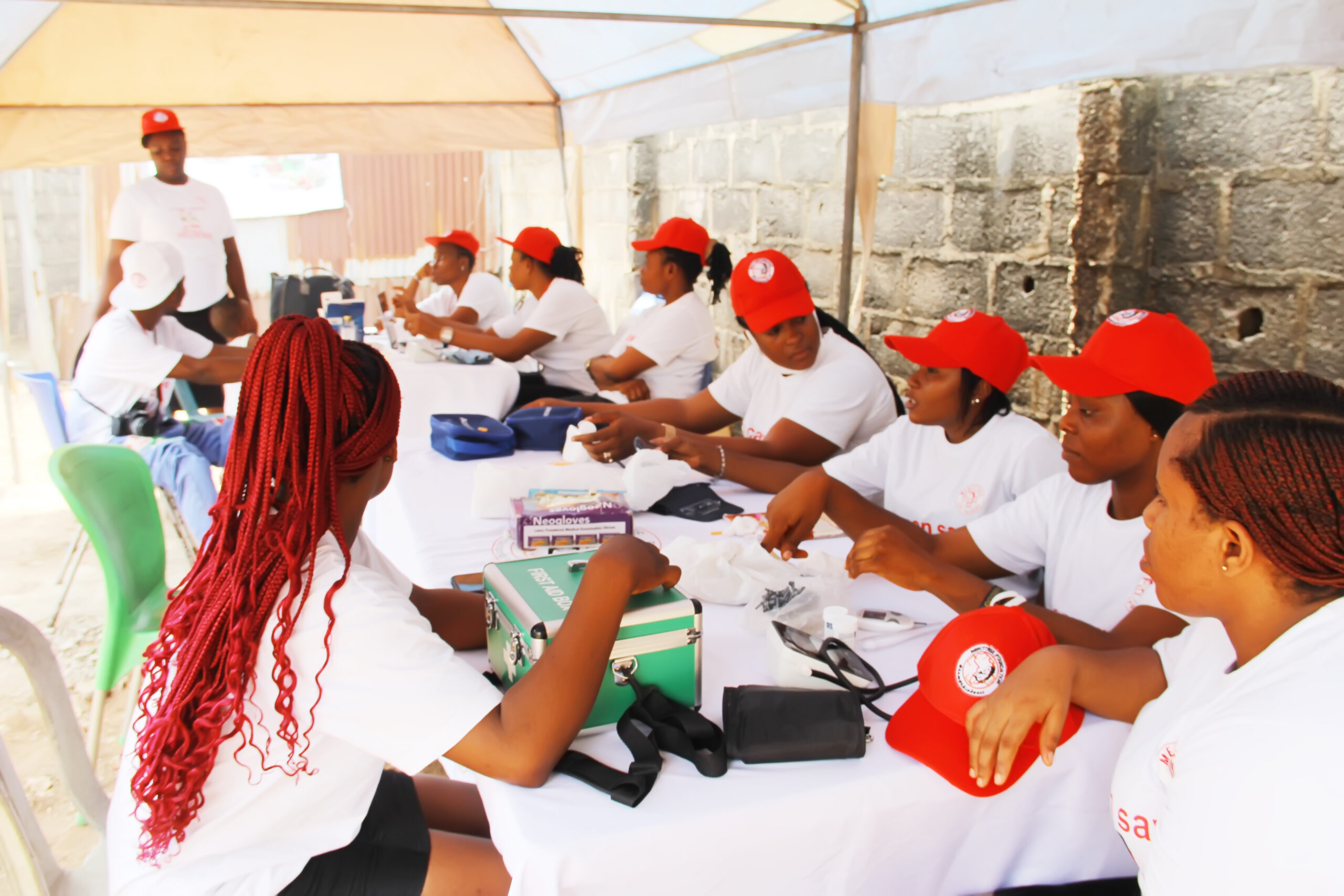
  • Community Health Outreach: Training local health workers and volunteers to deliver lifesaving knowledge and services at the grassroots level.

Through these initiatives, MercyTree Foundation is saving lives, empowering women, and building healthier communities. Each clinic visit, each immunization, and each healthy birth represents hope restored and futures protected.

Contact Form
Name
Email
Description

Every day, women and children in Sub-Saharan Africa face life-threatening health challenges that are preventable and treatable. Maternal mortality rates remain unacceptably high due to complications such as hemorrhage, sepsis, obstructed labor, and high blood pressure disorders. Many newborns die within the first month of life from infections, low birth weight, or lack of immediate medical care. Childhood illnesses such as pneumonia, diarrhea, malaria, and malnutrition continue to claim young lives at alarming rates.

These tragedies occur not because solutions are unknown, but because access to timely, quality healthcare is painfully limited.

Statement of Need: Impact on Families and Communities

The consequences are devastating:

  • For Mothers: Preventable deaths during pregnancy and childbirth leave children motherless, families destabilized, and communities grieving.
  • For Children: Survivors face poor nutrition, limited access to immunization, and exposure to preventable infections. Many never reach their fifth birthday.
  • For Communities: The death or disability of mothers and children reduces productivity, increases poverty, and deepens cycles of inequality.

Healthy mothers are the backbone of healthy families, and thriving children are the future of every community. Addressing maternal and child health is not optional, it is a moral and social imperative.

The Urgent Need for Action

Without urgent intervention, the cycle of maternal deaths, child mortality, and preventable diseases will persist. Every delay means more families losing mothers in childbirth, more infants dying from infections, and more children unable to grow, learn, and contribute to their communities. The window to act is now—every mother and child deserves the chance to survive and thrive.

Limited Resources and Gaps in Care

  • Medical Infrastructure: Many rural areas lack functional health centers or maternity wards. Deliveries often occur at home without trained birth attendants.
  • Skilled Personnel: A shortage of doctors, midwives, and nurses leaves women with no choice but to give birth without professional support.
  • Supplies and Equipment: Essential medicines, clean delivery kits, and neonatal equipment are scarce or unavailable.
  • Emergency Care: Referral systems and transport to higher-level hospitals are nearly nonexistent, costing lives in emergencies.

Challenges for Health Workers and Communities

  • Health Workers: Overstretched staff work in unsafe conditions with little equipment, facing burnout and risk of exposure to infections.
  • Mothers and Families: Long distances to clinics, financial constraints, and cultural barriers prevent timely access to care.
  • Stakeholders: Governments and NGOs struggle with inconsistent funding, leaving gaps in critical maternal and child health services.

MercyTree Foundation’s Maternal & Child Health Response

MercyTree Foundation is committed to breaking this cycle through innovative, community-based interventions:

  • Safe Motherhood Clinics: Providing antenatal, delivery, and postnatal care with skilled professionals, clean supplies, and emergency referral systems.
  • Baby Care Support: Promoting breastfeeding, newborn care education, and access to essential infant supplies.
  • Immunize to Protect Campaigns: Organizing child immunization drives to protect against deadly diseases like measles, polio, and pneumonia.
  • Nutrition for Life Programs: Offering maternal and child nutrition education, vitamin supplements, and deworming campaigns.
  • Community Health Outreach: Training local health workers and volunteers to deliver lifesaving knowledge and services at the grassroots level.

Through these initiatives, MercyTree Foundation is saving lives, empowering women, and building healthier communities. Each clinic visit, each immunization, and each healthy birth represents hope restored and futures protected.

Video
Gallery
Donate
Contact Us
Contact Form
Name
Email

What People Say ?

Join the
JOIN OUR
MAILING LIST
Be the part of the change
SUBSCRIBE
close-link