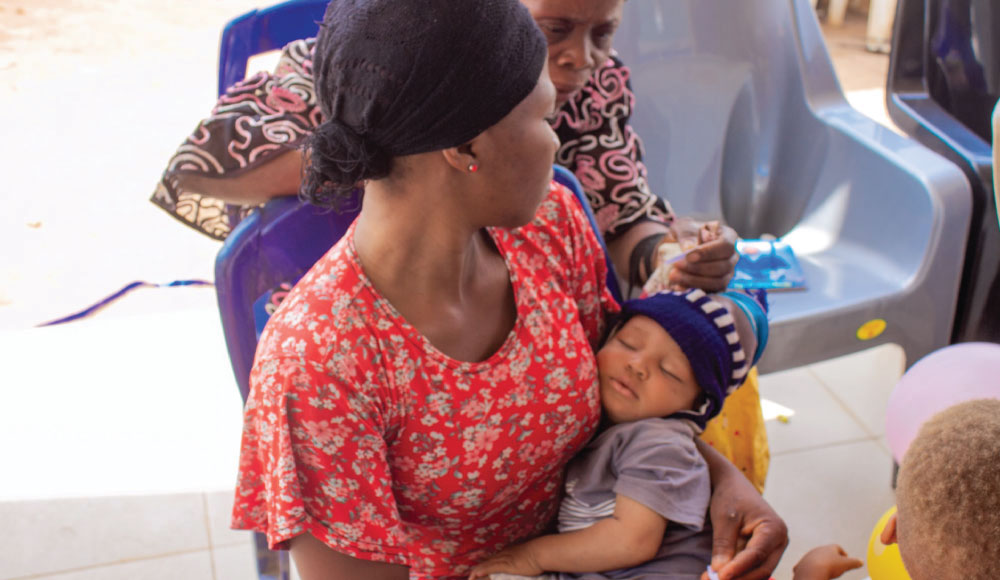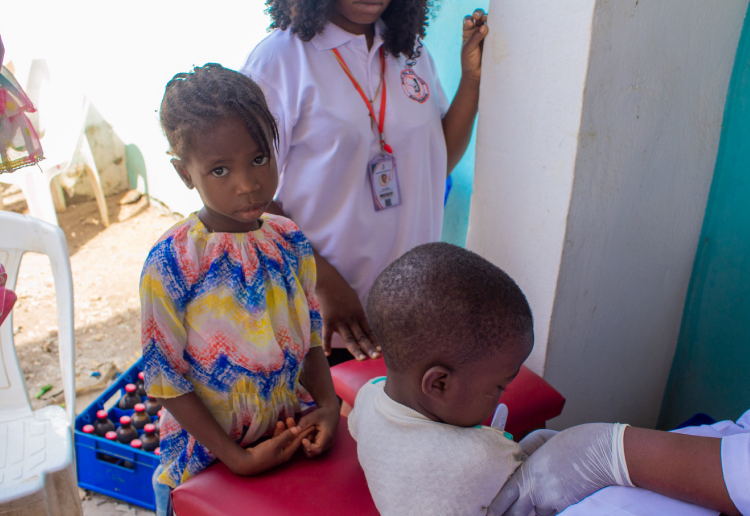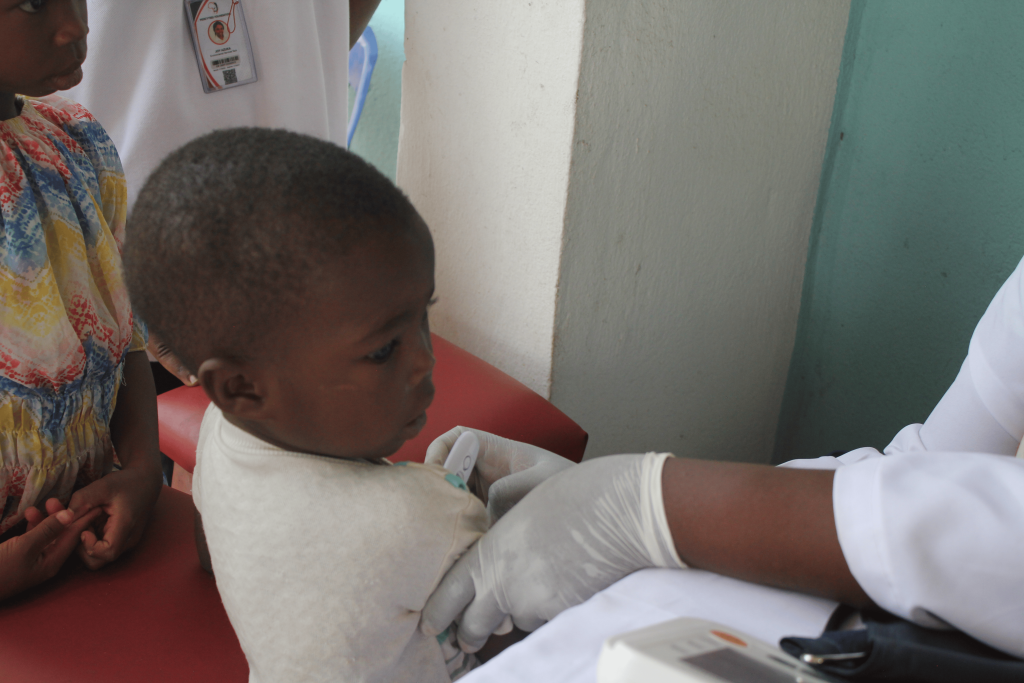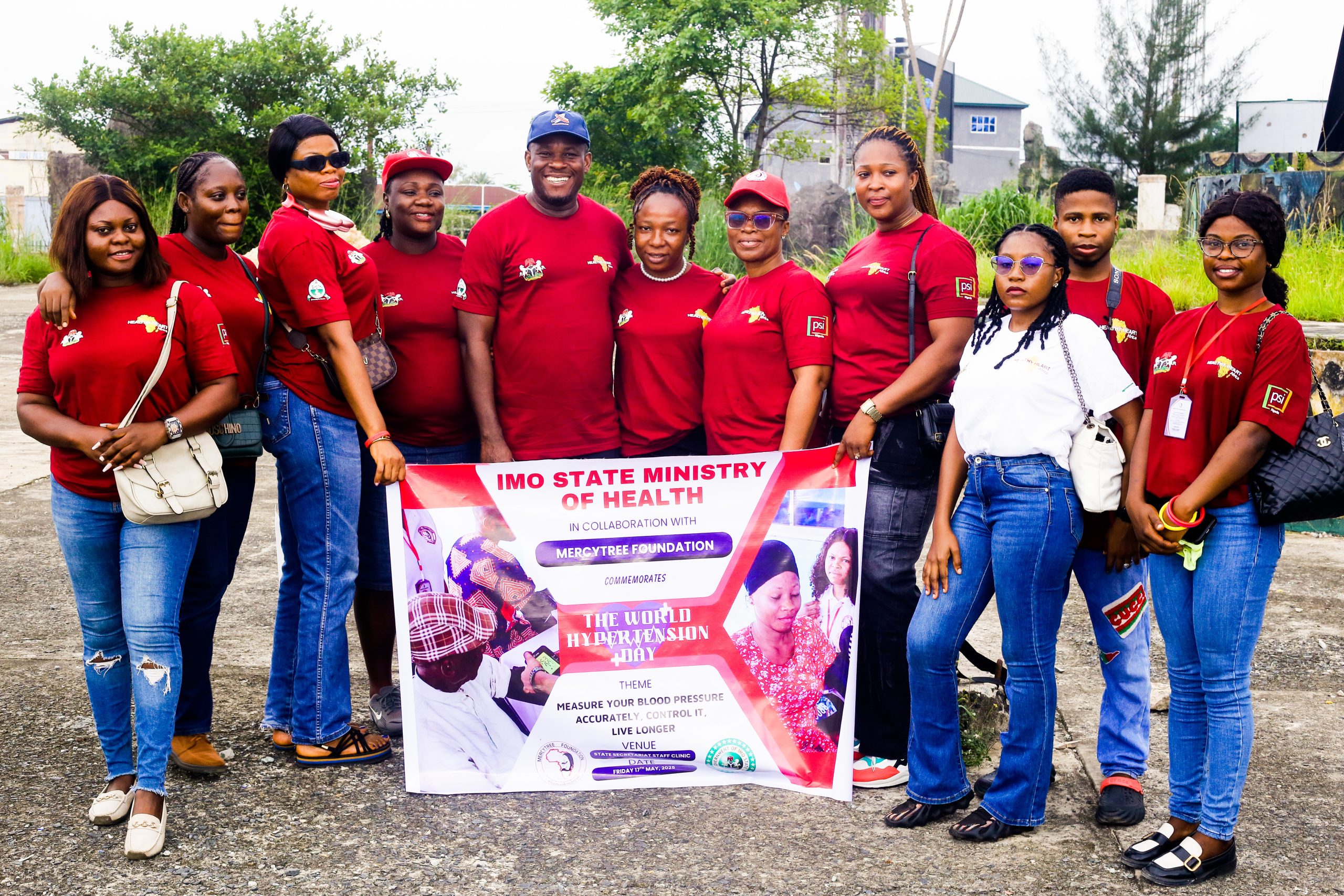
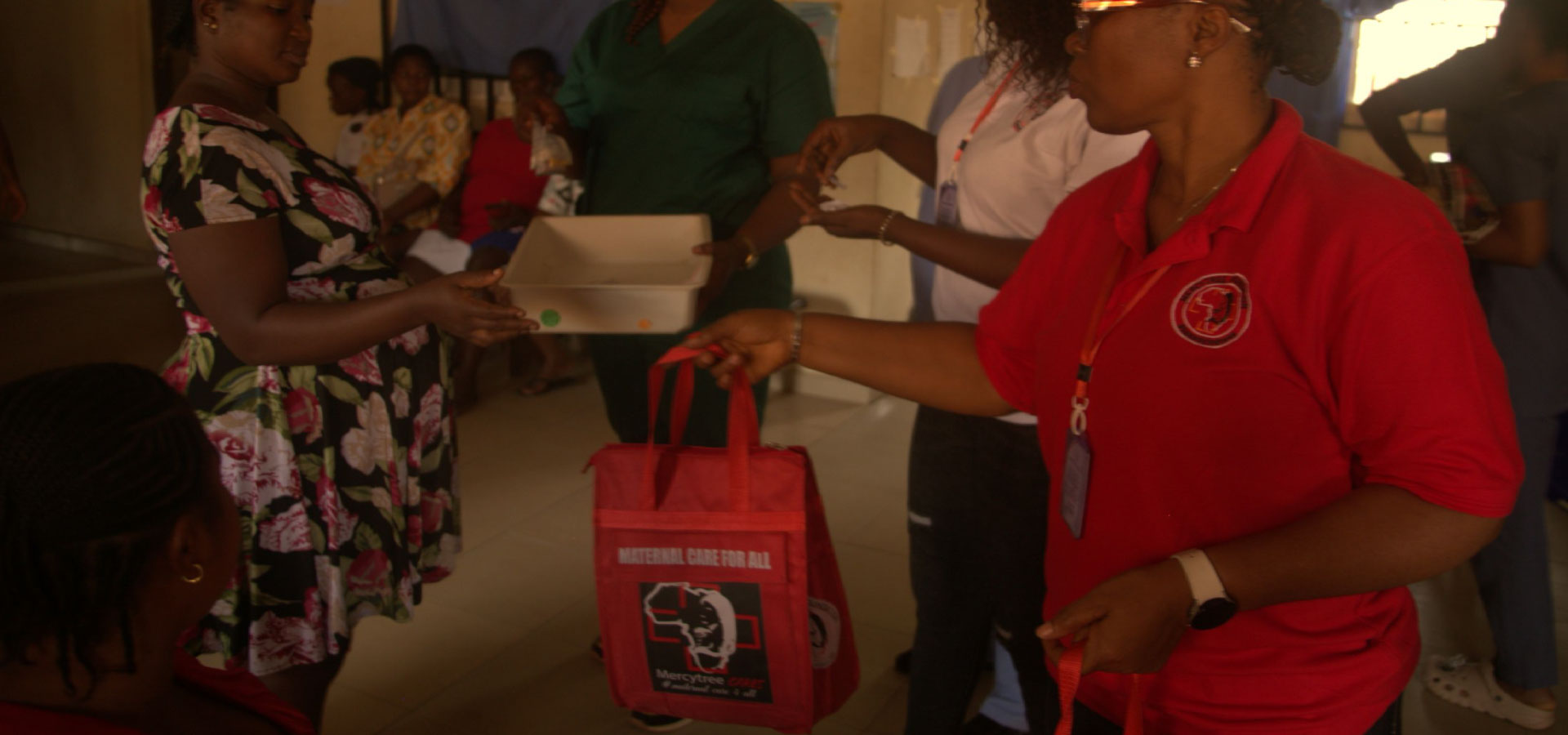
The MercyTree Medical Mission Program delivers free, high-quality healthcare to underserved and hard-to-reach communities across Sub-Saharan Africa. Our mission teams—made up of volunteer doctors, nurses, dentists, pharmacists, public health specialists, and trained community health workers—provide essential medical care, maternal and child health services, dental treatment, pharmacy support, and health education to families who have little or no access to healthcare.
Each medical mission is a fully organized, multi-day outreach that transforms schools, churches, community centers, and open fields into temporary clinics equipped with triage stations, consultation rooms, maternal care areas, pharmacy counters, dental units, and health education points. MercyTree works closely with local leaders and partner clinics to ensure community engagement, safe operations, and effective follow-up care.
Program Goals
- Provide free, accessible healthcare to low-income and rural populations.
- Reduce preventable illness and suffering through early diagnosis and treatment.
- Improve maternal and child health outcomes through prenatal care, newborn assessments, and safe birth support.
- Deliver pain-relieving dental services and oral hygiene education.
- Strengthen local healthcare capacity through training, collaboration, and technology.
- Support sustainable health systems through digital health tools such as the CareLink mobile platform.
Services We Provide
- General Medical Care: Consultations, wound care, malaria testing, chronic disease screening (hypertension, diabetes), and treatment.
- Maternal & Child Health: Prenatal checkups, ultrasound screenings (where available), safe birth kits, newborn assessments, and nutrition support.
- Dental Care: Cleanings, extractions, pain management, and oral health education.
- Pharmacy Services: Medication dispensing, counseling, and follow-up instructions.
- Health Education: Disease prevention, nutrition, sanitation, and chronic disease management.
- Digital Health: Patient records, triage tracking, and risk alerts using MercyTree’s CareLink platform.
Who We Serve
The Medical Mission Program focuses on remote villages and low-resource communities where healthcare infrastructure is limited or inaccessible. Each mission serves 300–800 people per day, with special focus on pregnant women, children, and vulnerable families.
Program Impact
- Thousands of patients treated each year
- Life-threatening conditions identified early
- Mothers receive essential prenatal care
- Children access lifesaving medications
- Communities gain health knowledge
- Local clinics receive supplies and referrals
- Volunteers bring compassion, expertise, and hope
Sustainability & Follow-Up
To ensure long-term impact, MercyTree collaborates with local clinics, ministries of health, and community health workers. Our CareLink platform allows for digital patient tracking, continuity of care, and follow-up visits by local teams.
How Support Helps
Donor and partner support covers medicines, supplies, equipment, volunteer deployment, transportation, logistics, local staffing, and digital health tools—making every mission possible.
Together, we deliver compassion, healing, and lifesaving care to communities that need it most.
- Deliver free, high-quality medical care to rural and underserved populations.
- Provide specialized services such as maternal health, chronic disease screening, dental care, and emergency care.
- Train local nurses, health workers, and community volunteers.
- Support local clinics with equipment, consumables, and medicines.
- Build long-term networks of medical volunteers and institutional partners.
- Gather data and outcome metrics to guide future interventions.
- Core Objectives
-
- Deliver free, high-quality medical care to rural and underserved populations.
- Provide specialized services such as maternal health, chronic disease screening, dental care, and emergency care.
- Train local nurses, health workers, and community volunteers.
- Support local clinics with equipment, consumables, and medicines.
- Build long-term networks of medical volunteers and institutional partners.
- Gather data and outcome metrics to guide future interventions.
- Gallery
-
- Video
-
- Support
-