
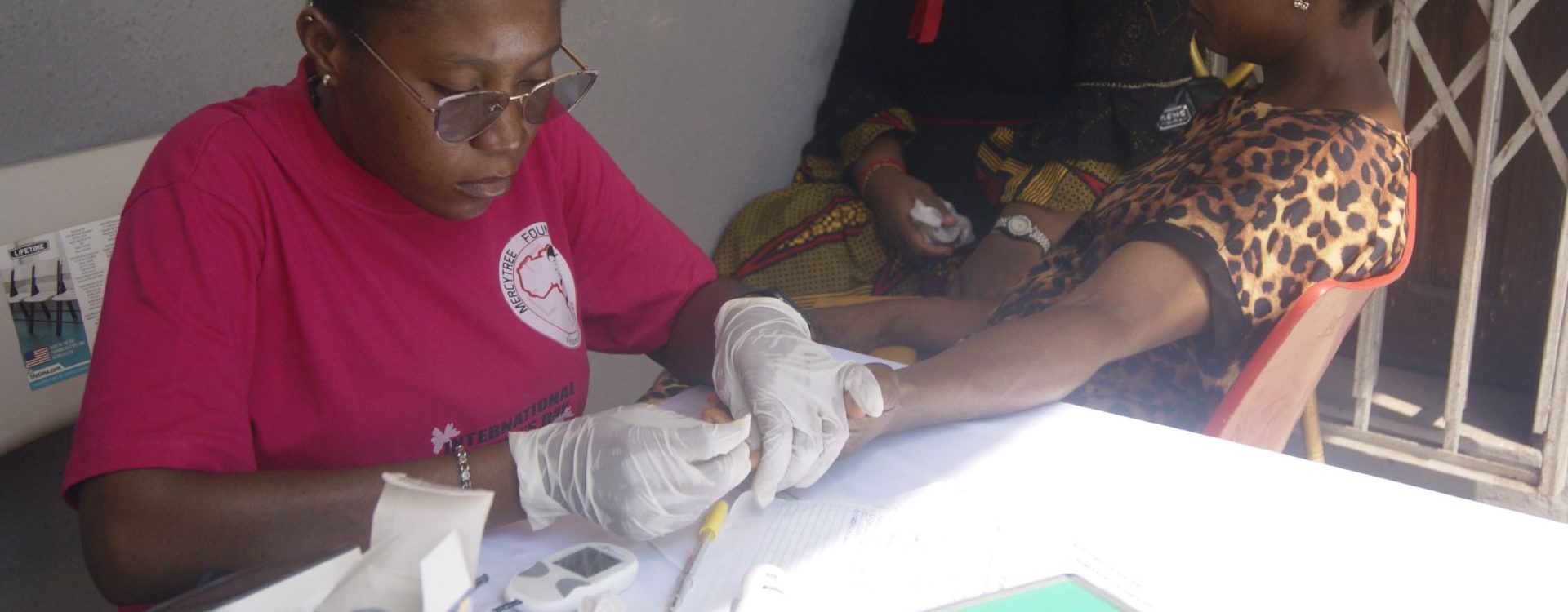

Mercytree Foundation is a U.S.-based 501(c)(3) nonprofit dedicated to transforming underserved communities in Sub-Saharan Africa. The Foundation enhances access to healthcare, education, economic opportunity, and social support—grounded in the belief that healthy, stable families uplift entire communities.Mercytree Foundation+1
- Adolescent Girls (Menstrual Health)
Goals:
- Foster menstrual health literacy and safe hygiene practices.
- Reducing stigma around menstruation through education and access.
Key Strategies:
- Deliver workshops in schools and community centers on menstrual hygiene (e.g., proper product use, menstrual cycles, sanitation).
- Provide reusable sanitary kits (pads, underwear, soap, disposal solutions).
- Integrate menstrual health into broader adolescent health sessions addressing puberty, bodily autonomy, and reproductive awareness.
- Create “Safe Spaces” for peer interaction, mentoring, confidentiality, and sharing experiences.
Expected Outcomes:
- Increased menstrual health knowledge and reduced absenteeism from school due to menstruation.
- Improved hygiene behaviors and self-confidence among adolescent girls.
- Women Beyond Reproductive Age
Goals:
- Ensure older women receive age-appropriate health education and services.
- Prioritize women’s health across the lifespan.
Key Strategies:
- Community health outreach offering screenings for noncommunicable diseases (e.g., hypertension, diabetes), cancer awareness, bone health, and mobility.
- Health education on menopause management, nutrition, and exercise for aging women.
- Peer support groups to reduce isolation, facilitate mutual care, and encourage healthy aging.
Expected Outcomes:
- Early detection and management of chronic conditions.
- Strengthened holistic well-being and community inclusion for older women.
- Sexual and Reproductive Health Education
Goals:
- Deliver comprehensive, culturally appropriate SRH education for adolescents and women.
Key Strategies:
- Conduct interactive sessions using age-appropriate, context-sensitive curricula covering reproductive anatomy, contraception, STI prevention, consent, and healthy relationships.
- Train local health workers and peer educators to deliver SRH messaging.
- Advocate for integrating SRH education into existing MercyTree healthcare and training programs.
Best Practice Insight:
Programs combining education, safe spaces, peer-led approaches, and health access are highly effective at improving SRH knowledge and uptake of services.Mercy CorpsBioMed Central
Expected Outcomes:
- Broader SRH knowledge, reduced harmful practices, improved access to family planning and care services.
- Mental Health Awareness and Support
Goals:
- Raise awareness of mental health issues and promote access to basic psychosocial support.
Key Strategies:
- Conduct mental health literacy workshops addressing stress, anxiety, depression, and coping strategies.
- Train community health workers in psychological first aid for frontline support.
- Establish peer-led support circles for sharing, mutual support, and destigmatization.
- Facilitate referral pathways to professional care when needed.
Expected Outcomes:
- Reduced stigma, enhanced resilience, and improved mental well-being across populations.
- Peer-Led Support Networks
Goals:
- Harness the power of social support and community leadership for women’s health initiatives.
Key Strategies:
- Mobilize and train peer leaders among adolescent girls and older women to act as educators and supporters.
- Form peer support groups addressing reproductive health, menstrual health, aging, and mental wellness.
- Regular group sessions for knowledge sharing, emotional support, and community-building.
Evidence Base:
Peer educators and safe spaces have proven effective in improving SRH outcomes and creating sustainable behavior change.Mercy CorpsBioMed Central
Expected Outcomes:
- Empowered participants driving community awareness, health knowledge diffusion, peer mentorship, and stronger social cohesion.
Integrated Implementation Model
Mercytree’s Women’s Health Program will be delivered using a holistic, multi-sectoral approach, embedded within existing platforms such as medical outreach, training workshops, and community projects—leveraging MercyTree’s strength in healthcare delivery and capacity building.Mercytree Foundation+1
Key Components Include:
- Mobile Clinics: Extend services into remote communities, reaching adolescent and older women alike.
- Training & Workshops: Integrate health modules into ongoing community training platforms.
- Community Projects: Establish safe gathering spaces for health programming and peer exchanges.
- Monitoring & Evaluation: Track knowledge, attitudes, behaviors, service usage, and health outcomes across cohorts.
Why It Matters
- Addresses critical needs across the life cycle—not just childbearing years.
- Focuses on prevention, literacy, and empowerment, not just medical cures.
- Builds community capacity through peer leadership and local health workforce engagement.
- Aligns closely with Mercytree’s mission of strengthening communities through integrated health, education, and training services.Mercytree Foundation+1
Summary Table
| Pillar | Focus Areas | Key Benefits |
| Menstrual Health (Adolescents) | Hygiene, education, safe spaces | Better school attendance, self-confidence |
| Women Beyond Reproductive Age | Chronic disease, menopause, peer support | Improved well-being, early detection |
| SRH Education | Contraception, STIs, reproductive rights | Informed choices, better health outcomes |
| Mental Health Awareness | Literacy, peer support, referrals | Reduced stigma, emotional resilience |
| Peer-Led Networks | Community leadership, support structures | Sustainable outreach, empowerment |
