Protect Your Kidneys. Protect Your Life!

Kidney Health

Kidney disease is a silent but deadly condition affecting millions worldwide, with a growing burden in Sub-Saharan Africa. The kidneys, vital for filtering waste, balancing fluids, and maintaining overall health, are often overlooked until damage is severe. Chronic Kidney Disease (CKD) can progress quietly for years without noticeable symptoms, only surfacing when treatment options become limited. Hypertension, diabetes, poor nutrition, dehydration, and limited access to clean water are major contributing factors. In many communities, preventable causes such as untreated infections and poor awareness worsen the crisis.

Statement of Need

The rising incidence of kidney disease poses a major public health threat. Patients suffering from CKD experience fatigue, swelling, impaired immunity, and, in severe cases, kidney failure requiring dialysis or transplantation—services that are scarce or unaffordable in many low-resource settings. The burden extends beyond individual health, straining families, draining finances, and weakening communities already facing poverty. Without immediate intervention, preventable deaths will continue to rise, reducing productivity and life expectancy in already vulnerable populations.

Urgency of the Situation

Addressing kidney health cannot wait. Every day that passes without education, screening, and preventive care leads to more undiagnosed cases, irreversible organ damage, and needless suffering. Unlike many diseases, CKD once advanced is irreversible—making early detection and prevention not just important, but essential. Urgent action is needed to empower communities with knowledge, ensure access to simple screening tools, and promote lifestyle habits that protect kidney health.

Resource Gaps

Despite the growing crisis, most local health facilities lack specialized nephrologists, dialysis machines, or laboratory services for early diagnosis. Communities often rely on overstretched health workers with minimal training in kidney care. Patients who need dialysis or transplantation face insurmountable barriers—long travel distances, high costs, or complete unavailability. The lack of public awareness campaigns means many only learn about kidney health when it is too late.

Challenges Faced

Health workers face overwhelming patient loads, inadequate equipment, and scarce medical supplies. Community members struggle with lack of information, financial hardship, and cultural beliefs that hinder early treatment. Families endure emotional and economic strain when breadwinners are incapacitated by kidney disease. Nonprofit and governmental stakeholders also face challenges in mobilizing resources, training personnel, and sustaining long-term programs.

MercyTree Foundation’s Initiatives

MercyTree Foundation is stepping forward to minimize the impact of kidney disease through:

  • Healthy Kidneys for Kids: Promoting hydration, nutrition, and education on early warning signs of kidney disease among children and schools.
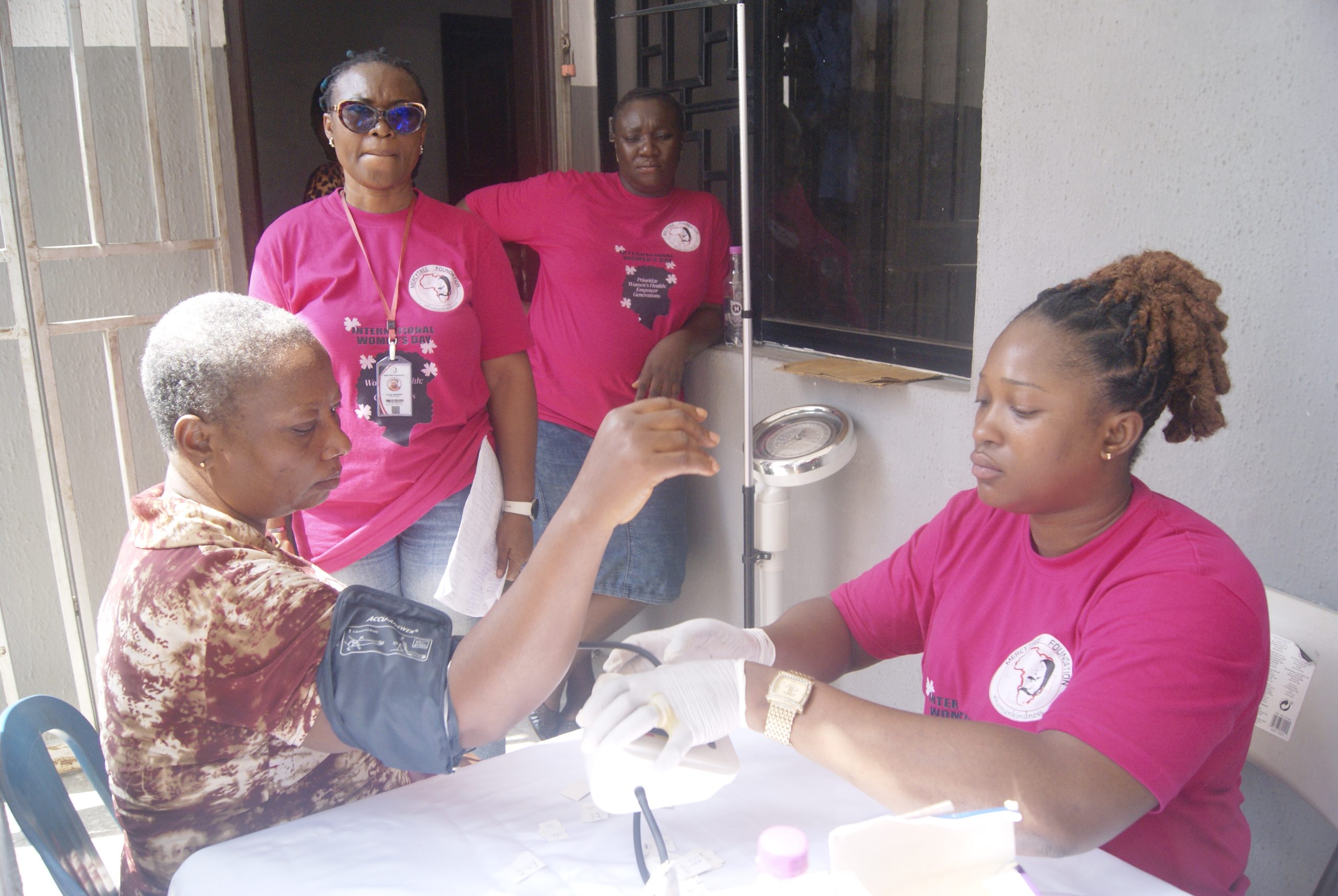
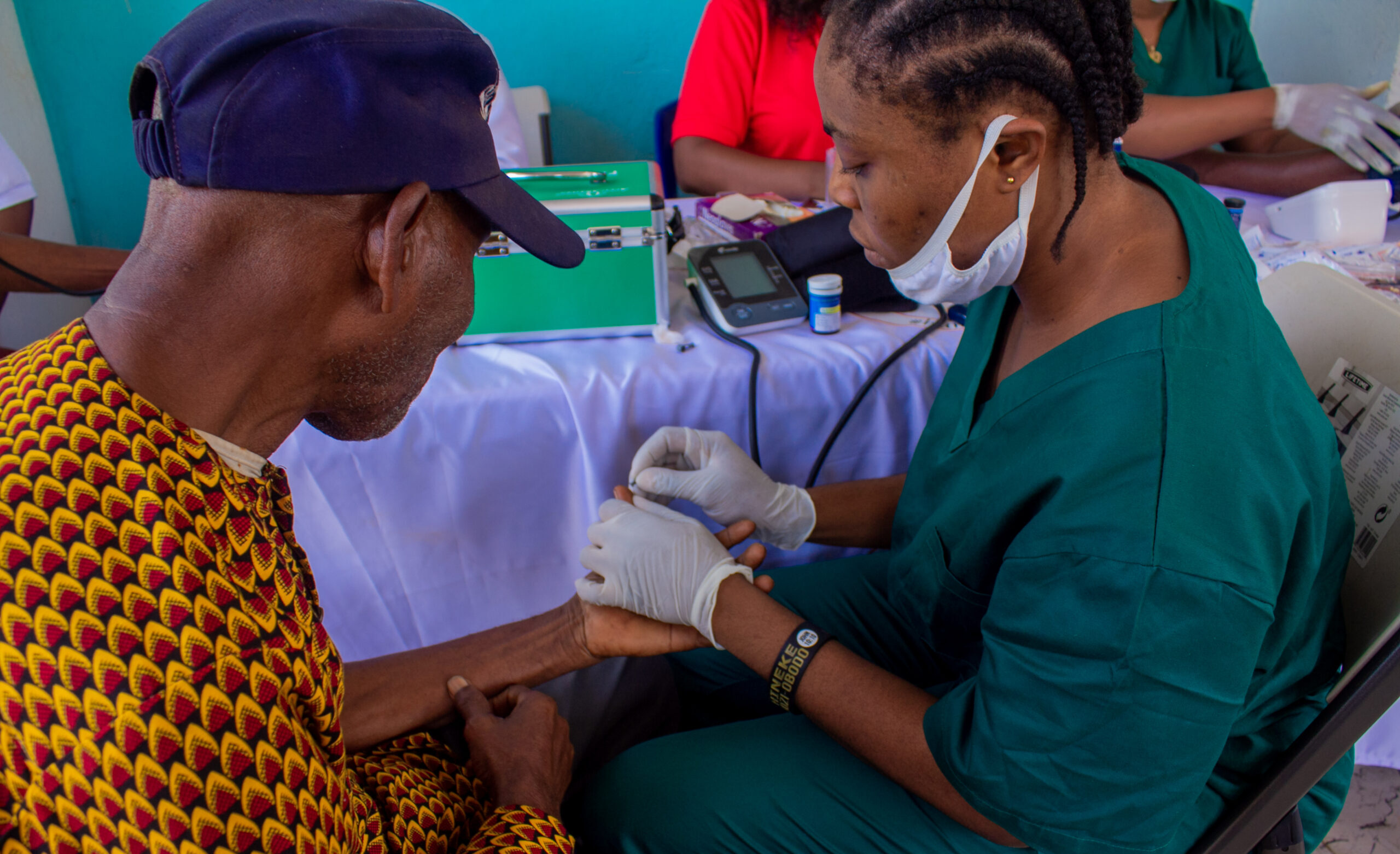
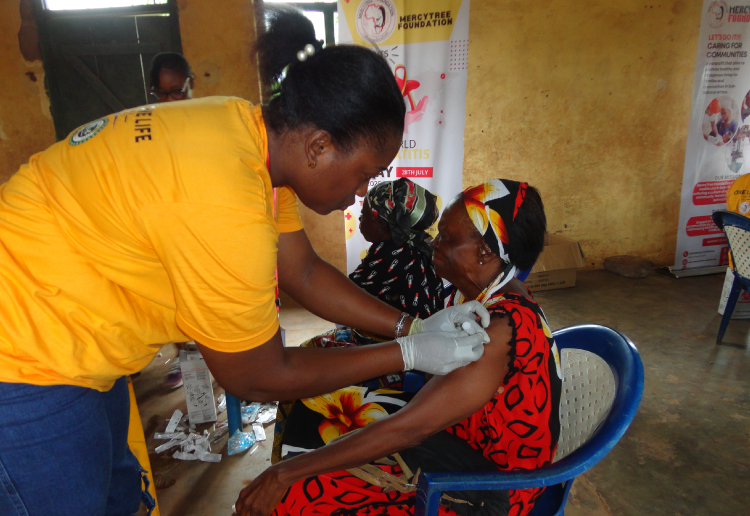
  • Community Kidney Care Clinics: Organizing free kidney function screening days, blood pressure checks, and health education campaigns.
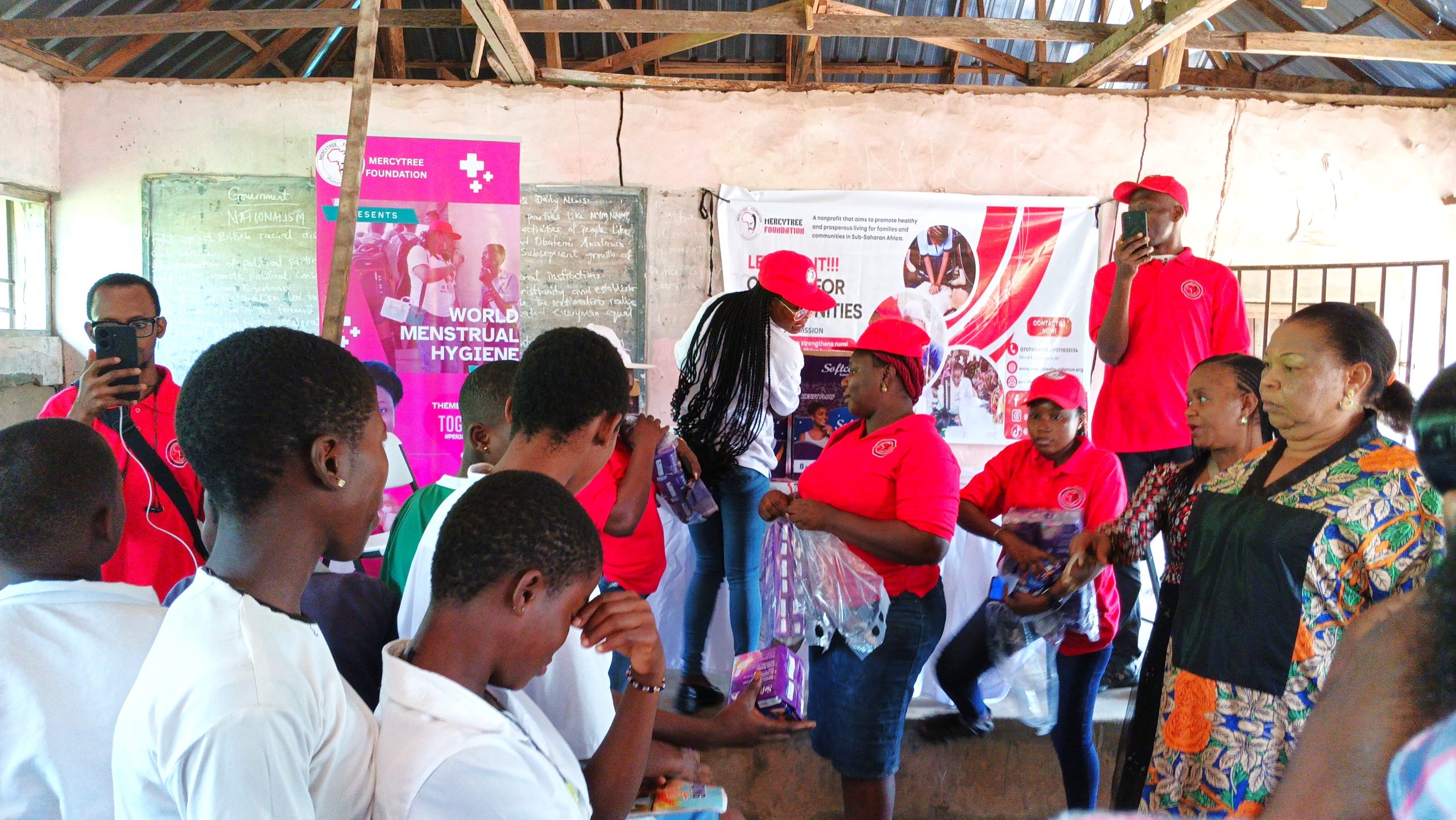
  • Awareness Campaigns: Disseminating information on hydration, safe water consumption, infection prevention, and lifestyle choices that protect kidney function.
  • Training & Support for Health Workers: Equipping frontline healthcare providers with knowledge to identify early symptoms and educate communities.
  • Advocacy for Access: Working with partners to advocate for affordable dialysis services and better medical infrastructure in underserved regions.

Through these targeted initiatives, MercyTree Foundation aims to reduce the burden of kidney disease, save lives, and create healthier futures for vulnerable communities.

Contact Form
Name
Email
Description

Kidney disease is a silent but deadly condition affecting millions worldwide, with a growing burden in Sub-Saharan Africa. The kidneys, vital for filtering waste, balancing fluids, and maintaining overall health, are often overlooked until damage is severe. Chronic Kidney Disease (CKD) can progress quietly for years without noticeable symptoms, only surfacing when treatment options become limited. Hypertension, diabetes, poor nutrition, dehydration, and limited access to clean water are major contributing factors. In many communities, preventable causes such as untreated infections and poor awareness worsen the crisis.

Statement of Need

The rising incidence of kidney disease poses a major public health threat. Patients suffering from CKD experience fatigue, swelling, impaired immunity, and, in severe cases, kidney failure requiring dialysis or transplantation—services that are scarce or unaffordable in many low-resource settings. The burden extends beyond individual health, straining families, draining finances, and weakening communities already facing poverty. Without immediate intervention, preventable deaths will continue to rise, reducing productivity and life expectancy in already vulnerable populations.

Urgency of the Situation

Addressing kidney health cannot wait. Every day that passes without education, screening, and preventive care leads to more undiagnosed cases, irreversible organ damage, and needless suffering. Unlike many diseases, CKD once advanced is irreversible—making early detection and prevention not just important, but essential. Urgent action is needed to empower communities with knowledge, ensure access to simple screening tools, and promote lifestyle habits that protect kidney health.

Resource Gaps

Despite the growing crisis, most local health facilities lack specialized nephrologists, dialysis machines, or laboratory services for early diagnosis. Communities often rely on overstretched health workers with minimal training in kidney care. Patients who need dialysis or transplantation face insurmountable barriers—long travel distances, high costs, or complete unavailability. The lack of public awareness campaigns means many only learn about kidney health when it is too late.

Challenges Faced

Health workers face overwhelming patient loads, inadequate equipment, and scarce medical supplies. Community members struggle with lack of information, financial hardship, and cultural beliefs that hinder early treatment. Families endure emotional and economic strain when breadwinners are incapacitated by kidney disease. Nonprofit and governmental stakeholders also face challenges in mobilizing resources, training personnel, and sustaining long-term programs.

MercyTree Foundation’s Initiatives

MercyTree Foundation is stepping forward to minimize the impact of kidney disease through:

  • Healthy Kidneys for Kids: Promoting hydration, nutrition, and education on early warning signs of kidney disease among children and schools.
  • Community Kidney Care Clinics: Organizing free kidney function screening days, blood pressure checks, and health education campaigns.
  • Awareness Campaigns: Disseminating information on hydration, safe water consumption, infection prevention, and lifestyle choices that protect kidney function.
  • Training & Support for Health Workers: Equipping frontline healthcare providers with knowledge to identify early symptoms and educate communities.
  • Advocacy for Access: Working with partners to advocate for affordable dialysis services and better medical infrastructure in underserved regions.

Through these targeted initiatives, MercyTree Foundation aims to reduce the burden of kidney disease, save lives, and create healthier futures for vulnerable communities.

Video
Gallery
Donate
Contact Us
Contact Form
Name
Email
0 0 votes
Article Rating
Subscribe
Notify of
guest

0 Comments
Oldest
Newest Most Voted
Inline Feedbacks
View all comments

What People Say ?

0 0 votes
Article Rating
Subscribe
Notify of
guest

0 Comments
Oldest
Newest Most Voted
Inline Feedbacks
View all comments
Join the
JOIN OUR
MAILING LIST
Be the part of the change
SUBSCRIBE
close-link