
Beyond Borders
Leading Change
Stronger Lives
Sudden cardiac arrest is one of the leading causes of death worldwide, striking people of all ages without warning. In many Sub-Saharan African communities, cardiac emergencies are often fatal because immediate help is not available. Brain damage can begin within 4–6 minutes after the heart stops, and survival depends on quick and effective cardiopulmonary resuscitation (CPR). Unfortunately, the majority of community members and even some frontline health workers lack proper training in CPR, leaving families and communities vulnerable to preventable loss of life.
Statement of Need
Every heartbeat matters. In rural and underserved areas, the absence of trained first responders means that heart emergencies almost always end in tragedy. This is not just a medical issue—it is a community crisis. Parents, children, students, and workers are all at risk. Without widespread CPR knowledge, communities lose loved ones, families fall into poverty from medical emergencies, and society suffers from the loss of productive lives.
The Urgency
Time is the most critical factor in cardiac emergencies. For every minute that passes without CPR, the chances of survival decrease by 7–10%. This means that empowering ordinary people—teachers, market workers, youth leaders, religious groups, and families—to act quickly can make the difference between life and death. The urgent need is not only about saving lives today but also about building a prepared and resilient community for tomorrow.
Resource Gaps
In many of the regions where MercyTree Foundation operates, there are limited or no medical personnel, and emergency services are either unavailable or too far away to respond in time. Hospitals lack specialized resuscitation equipment, and ambulances are scarce. Even where health facilities exist, overworked and undertrained staff often cannot keep up with emergencies. These gaps leave communities defenseless in the face of sudden cardiac arrests.
Challenges Faced
Health workers face the constant stress of treating emergencies without basic lifesaving tools. Community members struggle with fear and helplessness when emergencies happen. Parents grieve preventable deaths, and schools have no capacity to respond to incidents involving children. Faith-based and community leaders want to help but lack the training or resources. These challenges reinforce the cycle of high mortality and hopelessness.
MercyTree Foundation’s Initiatives
To address these urgent needs, MercyTree Foundation has launched the CPR Awareness Initiative, designed to empower communities with lifesaving skills. Our programs include:
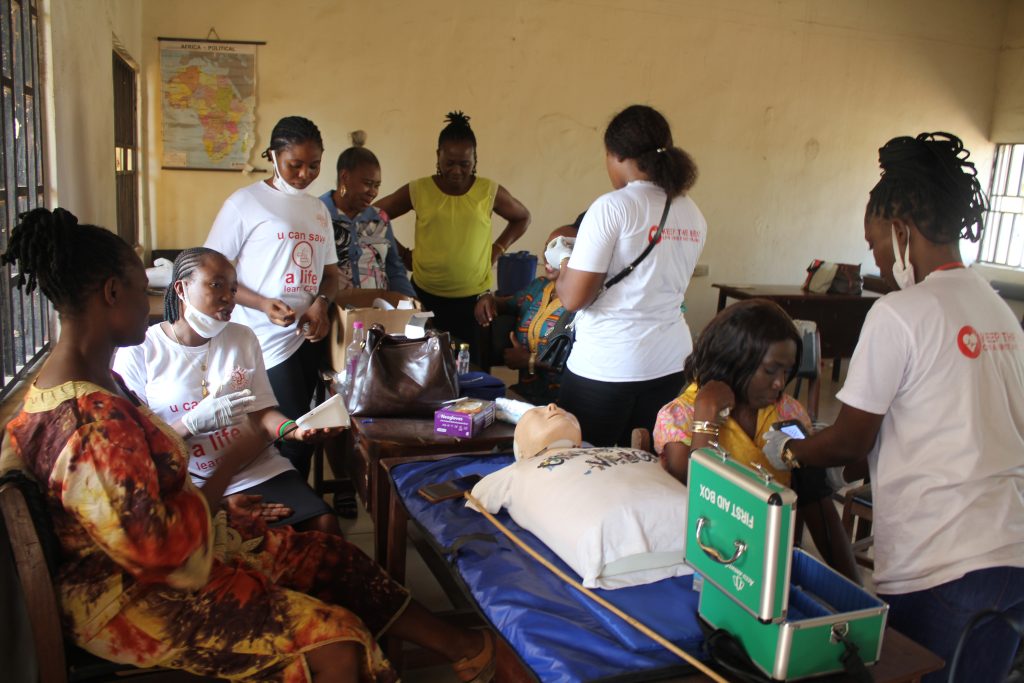
- Community CPR Training Sessions – Free hands-on workshops teaching people how to recognize cardiac arrest, call for help, and perform effective chest compressions.
- School & Youth Programs – Introducing CPR education in schools so that young people grow up with lifesaving knowledge.
- Health Worker Support – Equipping community health workers with CPR kits, refresher courses, and peer support to respond effectively in emergencies.
- Awareness Campaigns – Using local radio, social media, and community outreach to spread the message that “CPR Saves Lives.”
- Partnership Development – Collaborating with hospitals, NGOs, and faith-based groups to expand CPR awareness to the most underserved regions.
Conclusion
The CPR Awareness Initiative is not just a health program—it is a movement to give people the power to save lives. With greater awareness, training, and support, communities can be transformed into networks of first responders, ensuring that sudden cardiac arrest does not automatically mean death. MercyTree Foundation is committed to minimizing the impact by creating resilient, informed, and prepared communities.





- Description
-
Sudden cardiac arrest is one of the leading causes of death worldwide, striking people of all ages without warning. In many Sub-Saharan African communities, cardiac emergencies are often fatal because immediate help is not available. Brain damage can begin within 4–6 minutes after the heart stops, and survival depends on quick and effective cardiopulmonary resuscitation (CPR). Unfortunately, the majority of community members and even some frontline health workers lack proper training in CPR, leaving families and communities vulnerable to preventable loss of life.
Statement of Need
Every heartbeat matters. In rural and underserved areas, the absence of trained first responders means that heart emergencies almost always end in tragedy. This is not just a medical issue—it is a community crisis. Parents, children, students, and workers are all at risk. Without widespread CPR knowledge, communities lose loved ones, families fall into poverty from medical emergencies, and society suffers from the loss of productive lives.
The Urgency
Time is the most critical factor in cardiac emergencies. For every minute that passes without CPR, the chances of survival decrease by 7–10%. This means that empowering ordinary people—teachers, market workers, youth leaders, religious groups, and families—to act quickly can make the difference between life and death. The urgent need is not only about saving lives today but also about building a prepared and resilient community for tomorrow.
Resource Gaps
In many of the regions where MercyTree Foundation operates, there are limited or no medical personnel, and emergency services are either unavailable or too far away to respond in time. Hospitals lack specialized resuscitation equipment, and ambulances are scarce. Even where health facilities exist, overworked and undertrained staff often cannot keep up with emergencies. These gaps leave communities defenseless in the face of sudden cardiac arrests.
Challenges Faced
Health workers face the constant stress of treating emergencies without basic lifesaving tools. Community members struggle with fear and helplessness when emergencies happen. Parents grieve preventable deaths, and schools have no capacity to respond to incidents involving children. Faith-based and community leaders want to help but lack the training or resources. These challenges reinforce the cycle of high mortality and hopelessness.
MercyTree Foundation’s Initiatives
To address these urgent needs, MercyTree Foundation has launched the CPR Awareness Initiative, designed to empower communities with lifesaving skills. Our programs include:
- Community CPR Training Sessions – Free hands-on workshops teaching people how to recognize cardiac arrest, call for help, and perform effective chest compressions.
- School & Youth Programs – Introducing CPR education in schools so that young people grow up with lifesaving knowledge.
- Health Worker Support – Equipping community health workers with CPR kits, refresher courses, and peer support to respond effectively in emergencies.
- Awareness Campaigns – Using local radio, social media, and community outreach to spread the message that “CPR Saves Lives.”
- Partnership Development – Collaborating with hospitals, NGOs, and faith-based groups to expand CPR awareness to the most underserved regions.
Conclusion
The CPR Awareness Initiative is not just a health program—it is a movement to give people the power to save lives. With greater awareness, training, and support, communities can be transformed into networks of first responders, ensuring that sudden cardiac arrest does not automatically mean death. MercyTree Foundation is committed to minimizing the impact by creating resilient, informed, and prepared communities.
- Video
- Gallery
-





- Donate
-
- Contact Us
-


