
Closer to Families
to safe lifes
Promoting Wellness
Diabetes is a chronic, life-threatening disease that affects the body’s ability to regulate blood sugar. Across Sub-Saharan Africa, the prevalence of diabetes is on a sharp rise due to poor access to health care, limited awareness, lifestyle changes, and lack of preventive measures. Many individuals remain undiagnosed until severe complications such as kidney failure, heart disease, nerve damage, or blindness develop. The disease not only affects individuals but also imposes heavy social and economic burdens on families and communities.
Statement of Need
The urgency of addressing diabetes cannot be overstated. Without timely diagnosis and treatment, countless lives are cut short, and communities are destabilized as breadwinners and caregivers become incapacitated. The impact of diabetes extends beyond health—it undermines productivity, drives households deeper into poverty, and reduces community resilience. Raising awareness, offering preventive care, and increasing access to affordable treatment are essential steps to protecting lives and safeguarding community health.
Urgent Need for Intervention
The rapid increase in diabetes cases, coupled with late detection, makes immediate intervention crucial. Early screening, education, and lifestyle modification can prevent severe complications. Yet, without structured awareness programs, individuals remain uninformed about risk factors and preventive measures. Urgent action is needed to break this cycle of late diagnosis, untreated illness, and preventable deaths.
Limited Resources and Capacity
In many underserved communities, there are very few medical professionals with the expertise to manage diabetes effectively. Rural health centers often lack essential supplies such as glucose monitors, insulin, and test strips. Health workers are overwhelmed with competing priorities, leaving diabetes care under-resourced. Patients frequently travel long distances for testing or treatment, making continuous care nearly impossible.
Challenges Faced by Communities and Health Workers
- Health Workers: Face heavy caseloads, lack of specialized training in chronic disease management, and inadequate medical supplies.
- Community Members: Struggle with limited awareness, cultural misconceptions, and the inability to afford treatment.
- Stakeholders: Governments and NGOs face funding gaps, while families shoulder emotional and financial strain.
MercyTree Foundation’s Program Initiatives
Mercytree Foundation has stepped in to fill the gap by launching the Diabetes Awareness Initiative, designed to reduce the burden of the disease through:
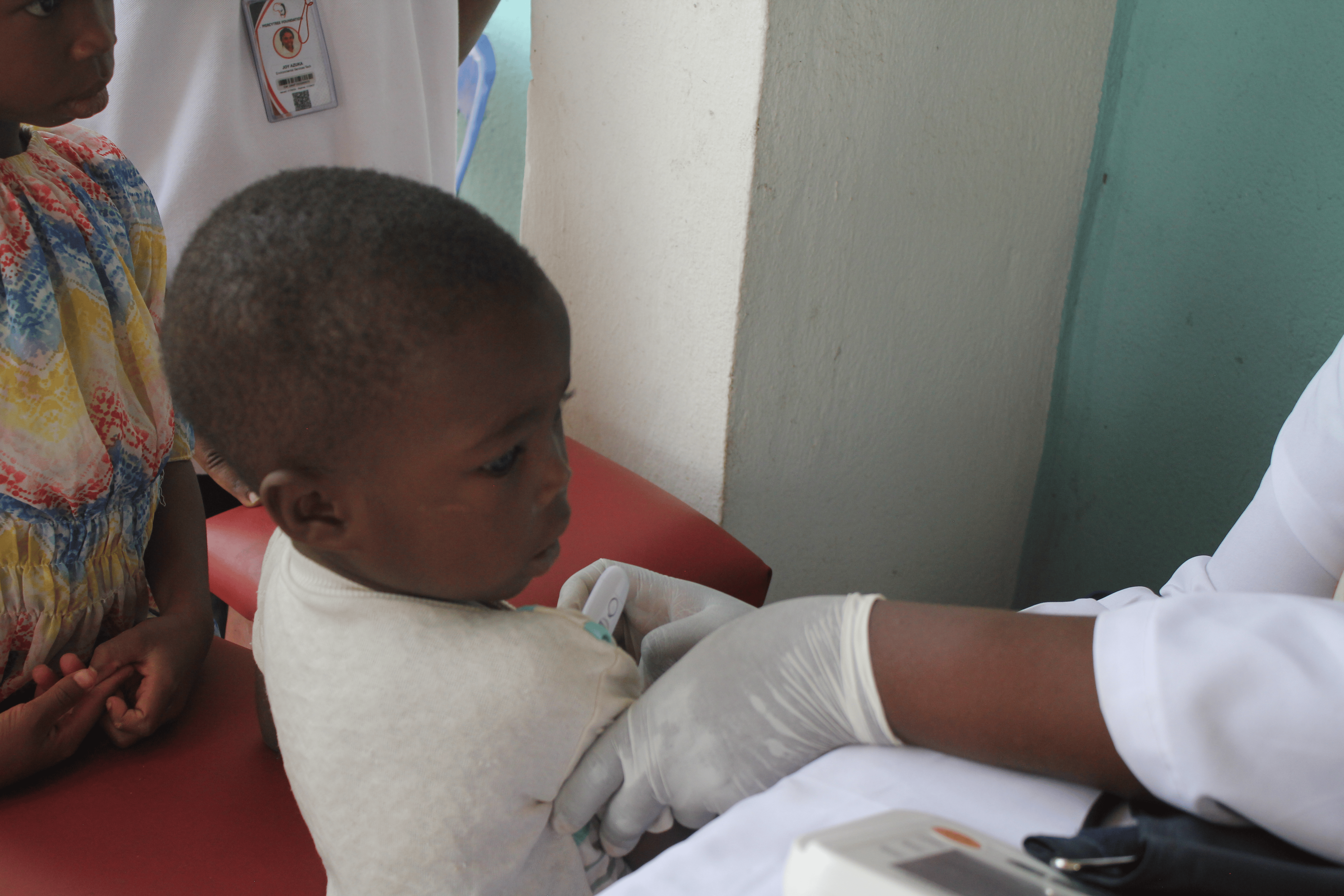
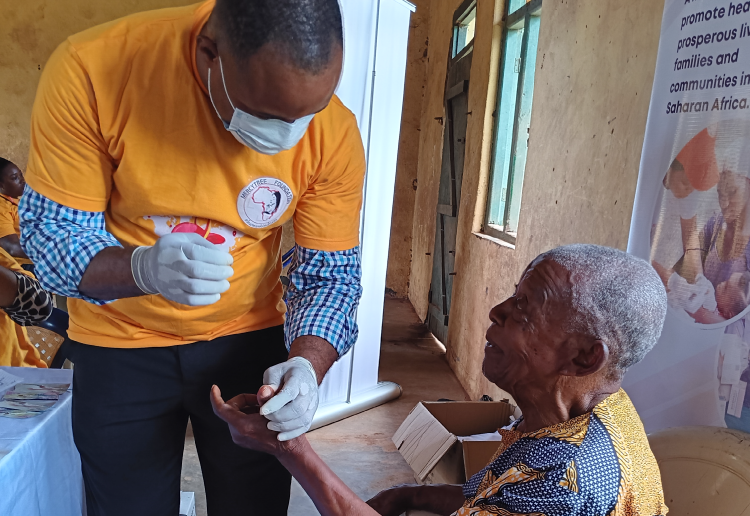
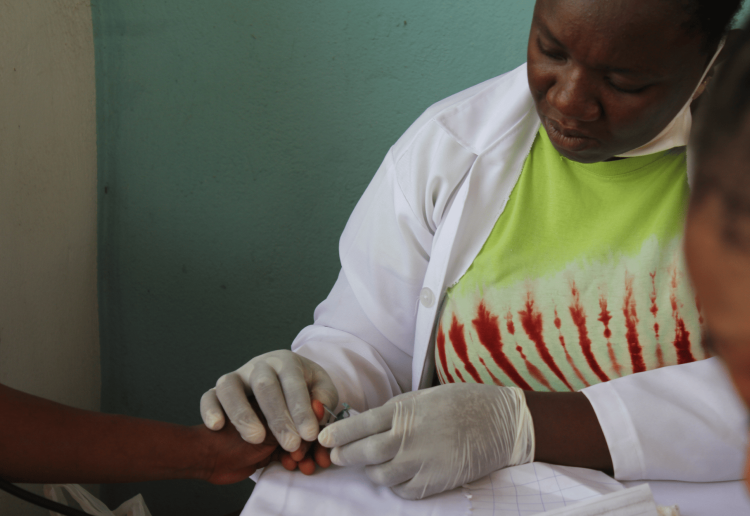
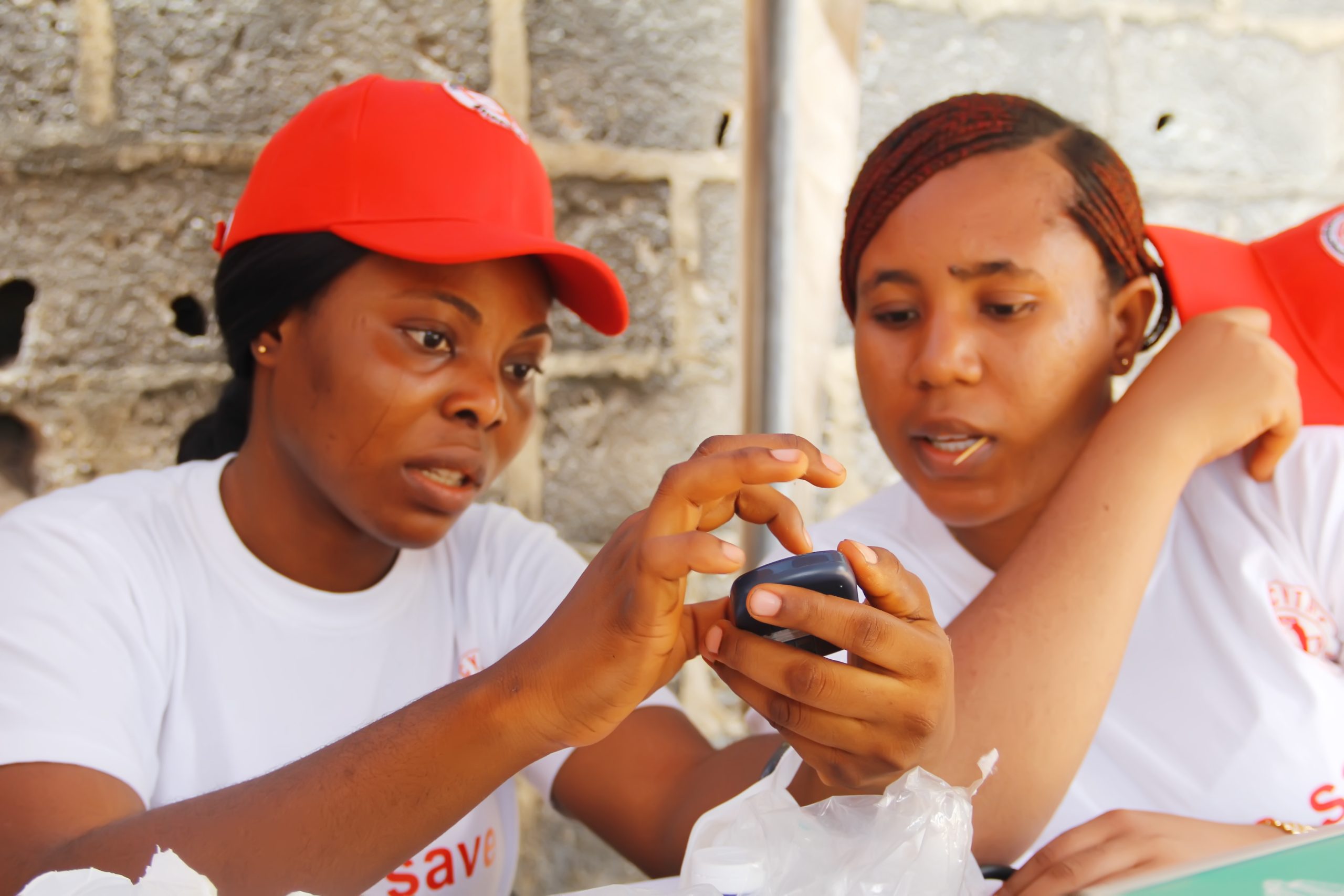
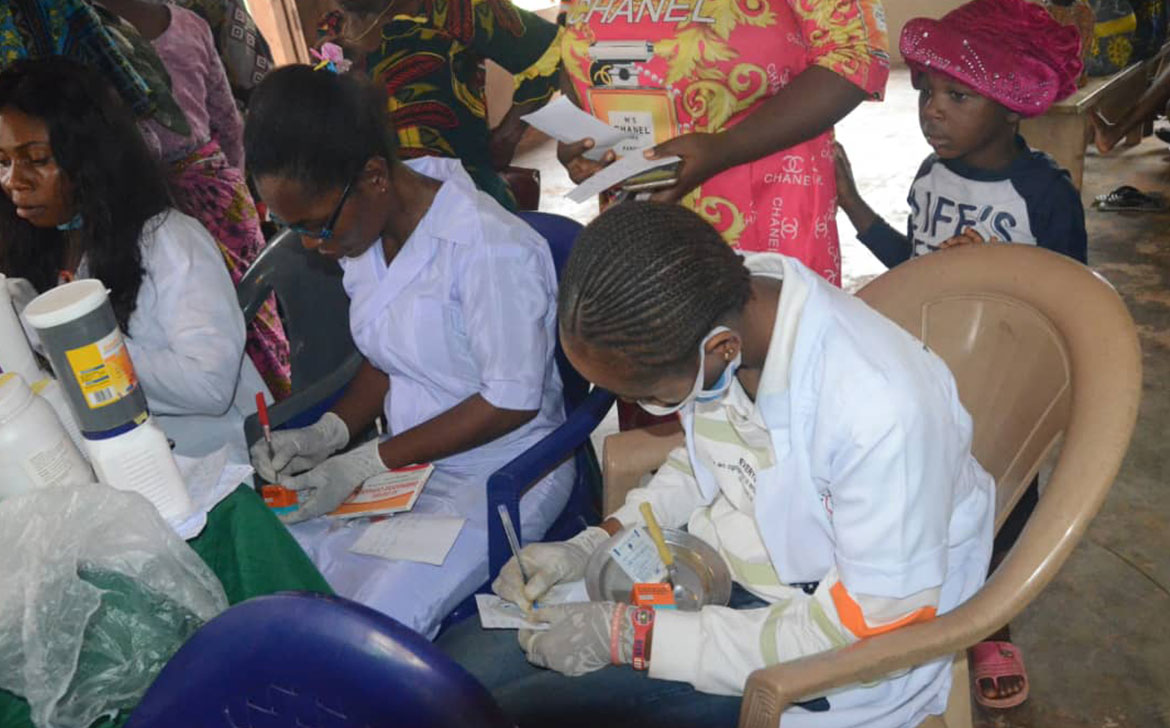
- Community Screening Campaigns: Offering free blood sugar and blood pressure checks in markets, workplaces, and rural communities.
- Education & Awareness Programs: Conducting workshops on healthy lifestyles, nutrition, and early warning signs of diabetes.
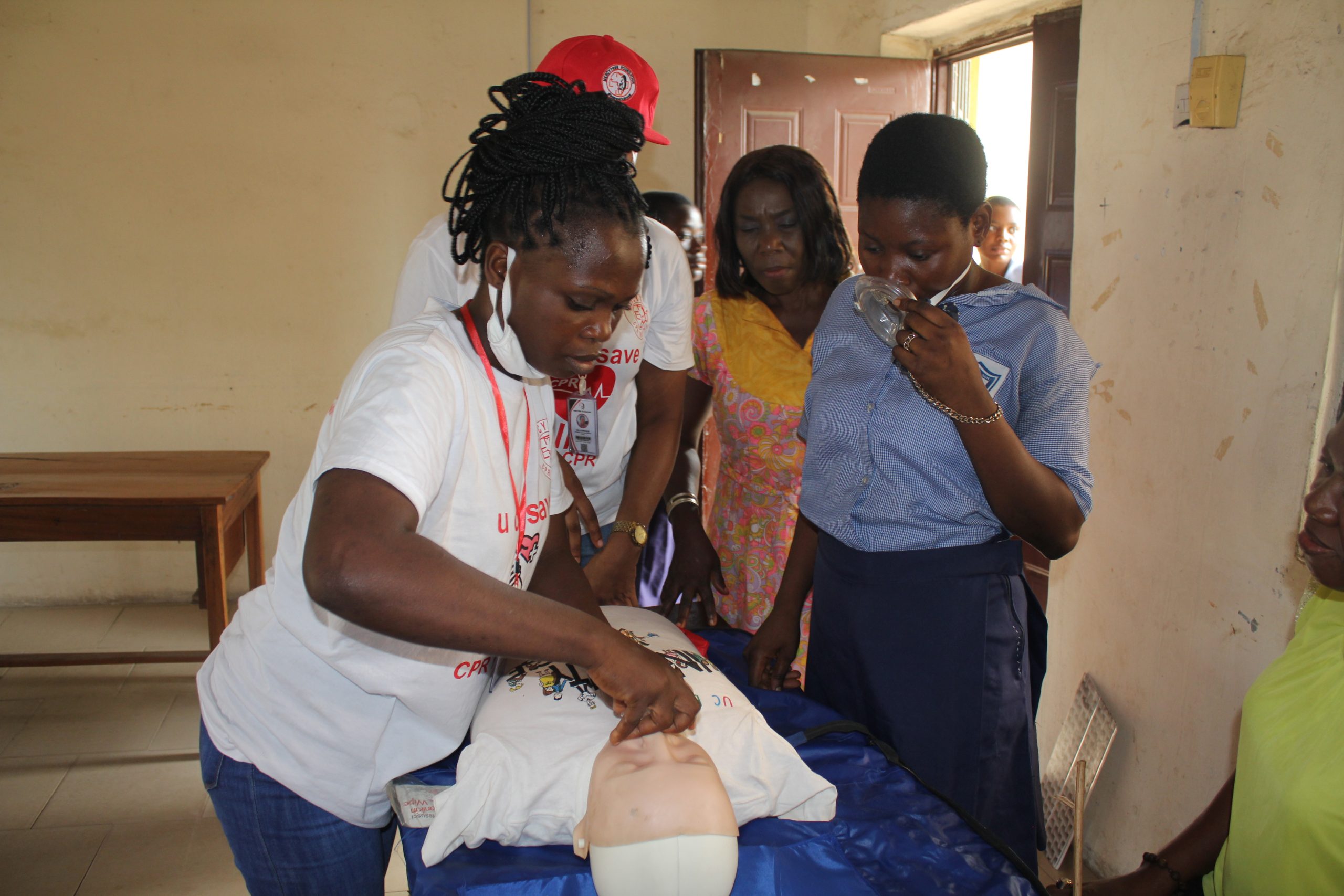
- Capacity Building for Health Workers: Providing training and essential resources to frontline health workers to improve diabetes care delivery.
- Support Networks: Creating peer-led groups for patients and families to share experiences, encourage treatment adherence, and promote mental health support.
- Advocacy: Partnering with local governments and stakeholders to push for better policies, access to medications, and sustainable healthcare support.







- Description
-
Diabetes is a chronic, life-threatening disease that affects the body’s ability to regulate blood sugar. Across Sub-Saharan Africa, the prevalence of diabetes is on a sharp rise due to poor access to health care, limited awareness, lifestyle changes, and lack of preventive measures. Many individuals remain undiagnosed until severe complications such as kidney failure, heart disease, nerve damage, or blindness develop. The disease not only affects individuals but also imposes heavy social and economic burdens on families and communities.
Statement of Need
The urgency of addressing diabetes cannot be overstated. Without timely diagnosis and treatment, countless lives are cut short, and communities are destabilized as breadwinners and caregivers become incapacitated. The impact of diabetes extends beyond health—it undermines productivity, drives households deeper into poverty, and reduces community resilience. Raising awareness, offering preventive care, and increasing access to affordable treatment are essential steps to protecting lives and safeguarding community health.
Urgent Need for Intervention
The rapid increase in diabetes cases, coupled with late detection, makes immediate intervention crucial. Early screening, education, and lifestyle modification can prevent severe complications. Yet, without structured awareness programs, individuals remain uninformed about risk factors and preventive measures. Urgent action is needed to break this cycle of late diagnosis, untreated illness, and preventable deaths.
Limited Resources and Capacity
In many underserved communities, there are very few medical professionals with the expertise to manage diabetes effectively. Rural health centers often lack essential supplies such as glucose monitors, insulin, and test strips. Health workers are overwhelmed with competing priorities, leaving diabetes care under-resourced. Patients frequently travel long distances for testing or treatment, making continuous care nearly impossible.
Challenges Faced by Communities and Health Workers
- Health Workers: Face heavy caseloads, lack of specialized training in chronic disease management, and inadequate medical supplies.
- Community Members: Struggle with limited awareness, cultural misconceptions, and the inability to afford treatment.
- Stakeholders: Governments and NGOs face funding gaps, while families shoulder emotional and financial strain.
MercyTree Foundation’s Program Initiatives
Mercytree Foundation has stepped in to fill the gap by launching the Diabetes Awareness Initiative, designed to reduce the burden of the disease through:
- Community Screening Campaigns: Offering free blood sugar and blood pressure checks in markets, workplaces, and rural communities.
- Education & Awareness Programs: Conducting workshops on healthy lifestyles, nutrition, and early warning signs of diabetes.
- Capacity Building for Health Workers: Providing training and essential resources to frontline health workers to improve diabetes care delivery.
- Support Networks: Creating peer-led groups for patients and families to share experiences, encourage treatment adherence, and promote mental health support.
- Advocacy: Partnering with local governments and stakeholders to push for better policies, access to medications, and sustainable healthcare support.
- Video
- Gallery
-






- Donate
-
- Contact Us
-


