
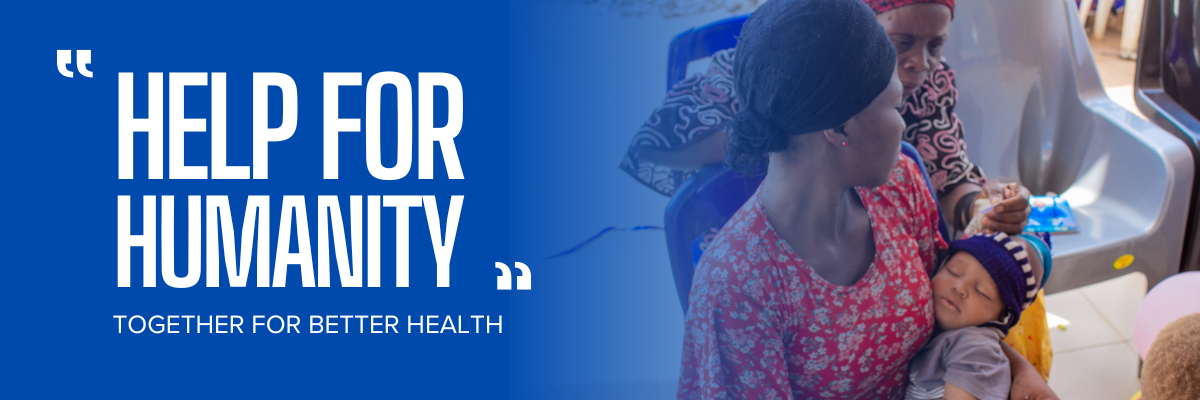
MercyTree International Foundation is committed to delivering compassionate, ethical, and high-quality healthcare and humanitarian services across Sub-Saharan Africa. Our integrity, credibility, and ability to serve communities depend on the conduct of every person representing the organization. All staff, volunteers, contractors, and partners share responsibility for upholding MercyTree’s values, safeguarding vulnerable populations, and maintaining a culture of professionalism and respect.
This Staff Ethics and Conduct Policy defines the standards of behavior required of all individuals acting on behalf of MercyTree International Foundation.
- Scope of the Policy
This policy applies to everyone engaged with MercyTree, including:
- Full-time and part-time staff
- Field and community health workers
- International and local volunteers
- Consultants and contractors
- Daily workers and temporary personnel
- Interns, guests, and organizational partners
- Anyone representing MercyTree in an official capacity
Additional role-specific rules may apply depending on assignment, host country regulations, medical responsibilities, or local cultural considerations.
- Ethical Principles and Core Standards
2.1 Respect, Dignity, and Non-Discrimination
All MercyTree personnel must:
- Treat all patients, colleagues, volunteers, and community members with dignity and respect.
- Uphold cultural sensitivity and demonstrate understanding of local norms and traditions.
- Avoid any form of discrimination based on race, ethnicity, religion, gender, age, sexual orientation, nationality, disability, socioeconomic status, health status, political affiliation, or any other protected characteristic.
Discriminatory behavior—explicit or subtle—is strictly prohibited.
2.2 Safety, Well-Being, and Zero Tolerance for Abuse
MercyTree enforces strict zero-tolerance policies regarding physical, psychological, emotional, and sexual harm.
Personnel must not:
- Engage in violence, assault, intimidation, harassment, or threats.
- Participate in sexual harassment, sexual exploitation, or any inappropriate or coercive behavior.
- Abuse authority or exert pressure on others for personal gain.
- Create a hostile, unsafe, or degrading environment for staff, volunteers, or community members.
We prioritize the physical and psychological safety of all people with whom we work.
2.3 Safeguarding and Protection of Vulnerable Populations
MercyTree serves populations that may include:
- Children and adolescents
- Pregnant women
- Persons with disabilities
- Elderly individuals
- Displaced persons or refugees
- Communities facing poverty, crisis, or limited access to resources
All personnel must:
- Actively protect these individuals from abuse, exploitation, neglect, or harm.
- Never engage in sexual or exploitative relationships with beneficiaries, regardless of consent.
- Avoid economic, social, or political exploitation of vulnerable persons.
- Prevent misuse of power, favoritism, or transactional relationships.
Any breach involving vulnerable groups is considered a severe violation and may result in immediate removal.
2.4 Integrity, Professionalism, and Responsible Representation
Personnel must:
- Conduct themselves professionally at all times, both on and off duty.
- Use MercyTree’s name, equipment, resources, and information solely for authorized purposes.
- Avoid conflicts of interest, corruption, or misuse of organizational assets.
- Maintain confidentiality of patient information, organizational data, and sensitive records.
- Refrain from spreading misinformation or engaging in conduct that discredits the organization.
Representing MercyTree is a privilege and must be handled with integrity.
- Ethical Use of Resources and Organizational Assets
All personnel must:
- Safeguard MercyTree property, including medical supplies, vehicles, equipment, technology, and funds.
- Use funds, medications, and materials only for approved purposes.
- Report loss, misuse, or suspected diversion of resources immediately.
- Follow procurement, financial-control, and supply-chain procedures at all times.
Any misuse of resources is treated as a disciplinary offense.
- Transparency, Reporting, and Whistleblower Protection
MercyTree encourages a culture where concerns can be raised safely and confidentially.
4.1 Reporting Misconduct
Personnel must report:
- Breaches of ethical standards
- Safeguarding incidents
- Fraud, corruption, or financial misconduct
- Harassment, exploitation, or abuse
- Unsafe practices or violations of local laws
Reports may be made through supervisors, Human Resources, or official reporting channels.
4.2 Confidentiality and Non-Retaliation
MercyTree guarantees:
- Confidential handling of all reports
- Protection of whistleblowers from retaliation, discrimination, or job loss
- Swift, fair, and impartial investigation of all complaints
Retaliation against anyone who raises a concern is strictly prohibited.
- Compliance and Consequences of Violations
All personnel are expected to read, understand, and comply with this policy as a condition of their engagement with MercyTree.
Consequences for violations may include:
- Verbal or written warnings
- Mandatory retraining or counseling
- Suspension or reassignment
- Termination of employment or volunteer status
- Revocation of access to sites or beneficiaries
- Referral to law enforcement where appropriate
Violations involving safeguarding, violence, sexual misconduct, fraud, or exploitation may result in immediate dismissal.
- Commitment to Ethical Leadership
MercyTree International Foundation’s reputation relies on the integrity of its people. By upholding this policy, staff and volunteers help ensure:
- Safe and respectful service delivery
- Protection of vulnerable populations
- Trust between MercyTree and the communities we serve
- Strong, credible relationships with donors, partners, and governments
Every individual associated with MercyTree plays a vital role in strengthening our mission and maintaining public confidence in our work.
For questions, clarification, or concerns, contact us at:
https://mercytreefoundation.org/contact/


